
Welcome to the Illinois Senate Democratic Caucus


Sims, Villanueva highlight $11.4 million in back-to-school tax savings for Illinois families
- Details
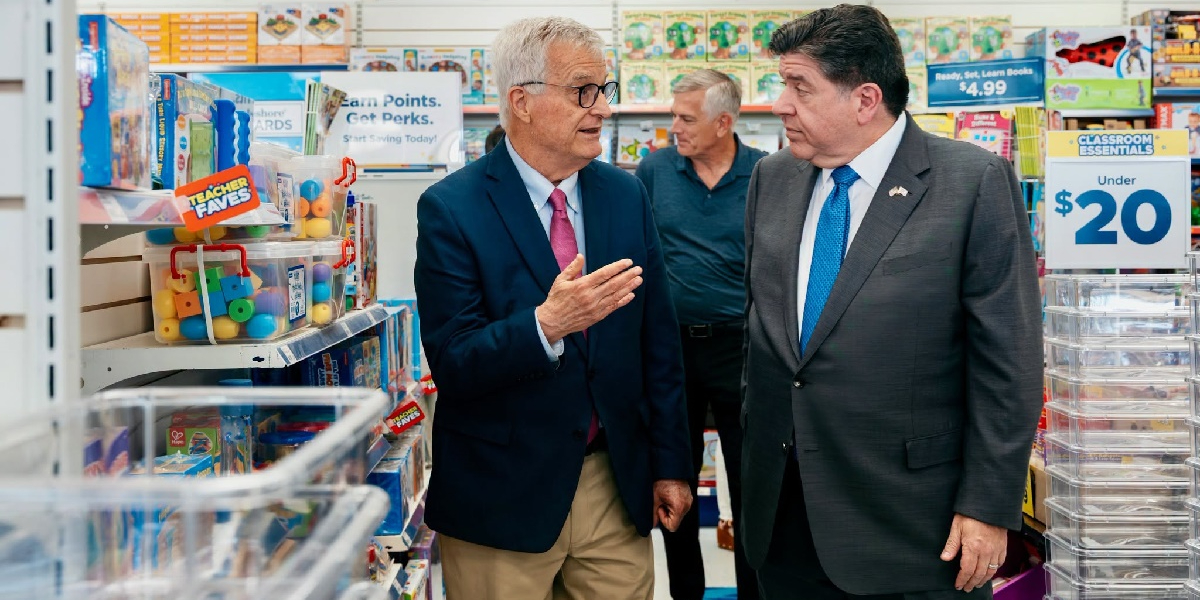
 CHICAGO – Illinois families saved an estimated $11.4 million during the 2026 back-to-school sales tax holiday, exceeding initial projections and helping parents afford clothing, footwear and school supplies for the new academic year.
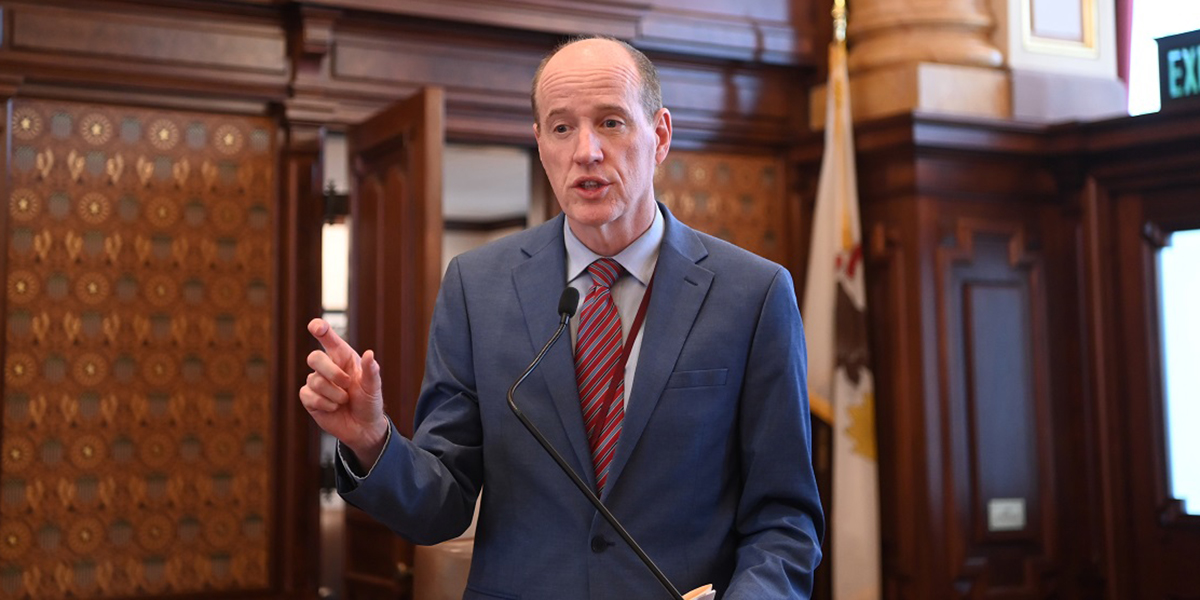
“As the nation faces a worsening affordability crisis, Americans are paying more for less, said Majority Appropriations Leader Elgie R. Sims Jr. (D-Chicago). “That’s why Illinois Democrats stepped up with a back-to-school tax holiday that saved families more than $11 million this school year. Every bit of relief helps make life easier for the people we represent, and we’ll keep fighting for them and their pocketbooks.”
Belt: Groundbreaking of new Illinois State Police headquarters represents more than a new building
- Details
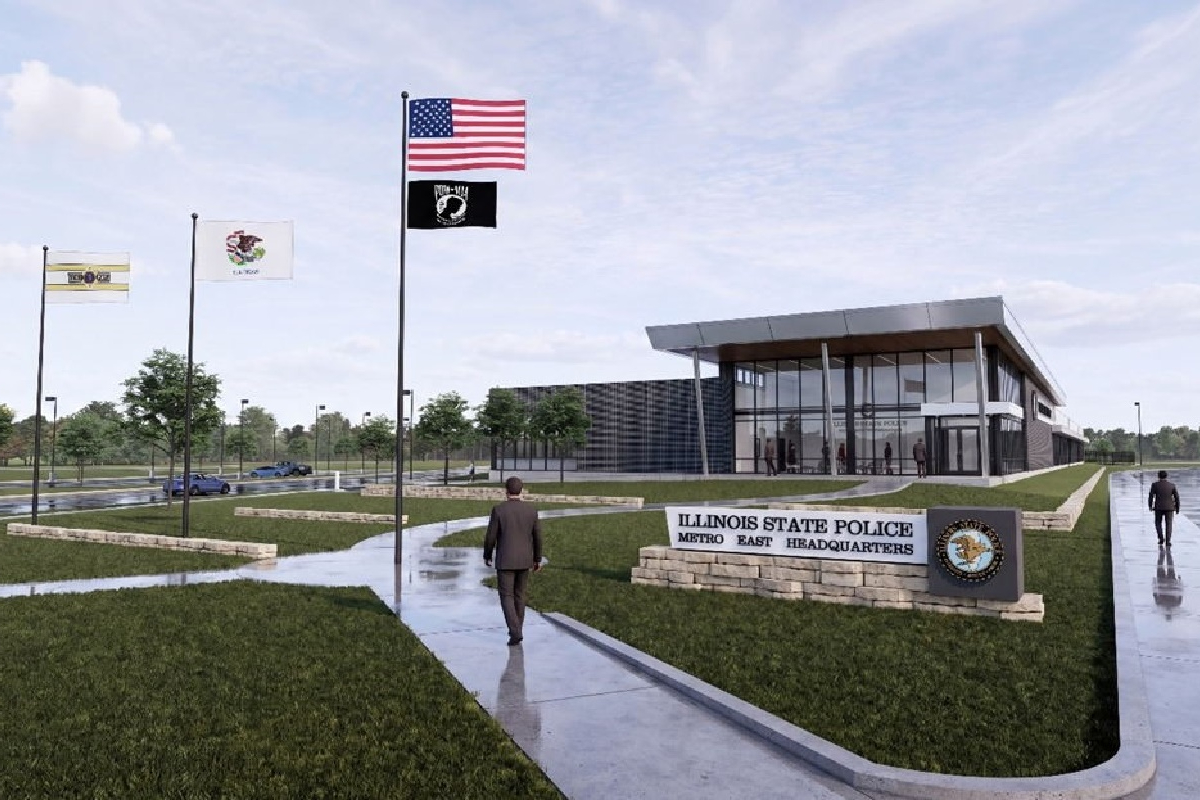 EAST ST. LOUIS – State Senator Christopher Belt celebrated the groundbreaking of the new, state-of-the art Illinois State Police Metro East Regional Headquarters. The new headquarters will be located at 2501 Lynch Ave. in East St. Louis and will stand as a regional hub for public safety, law enforcement coordination and specialized technical support.
“The groundbreaking of this new Illinois State Police headquarters represents more than a new building,” said Belt (D-Swansea). “It represents a significant investment in the future of East St. Louis and the safety of our entire Metro East community.”
Ventura, Harmon tout expanded manufacturing investment in Will County
- Details
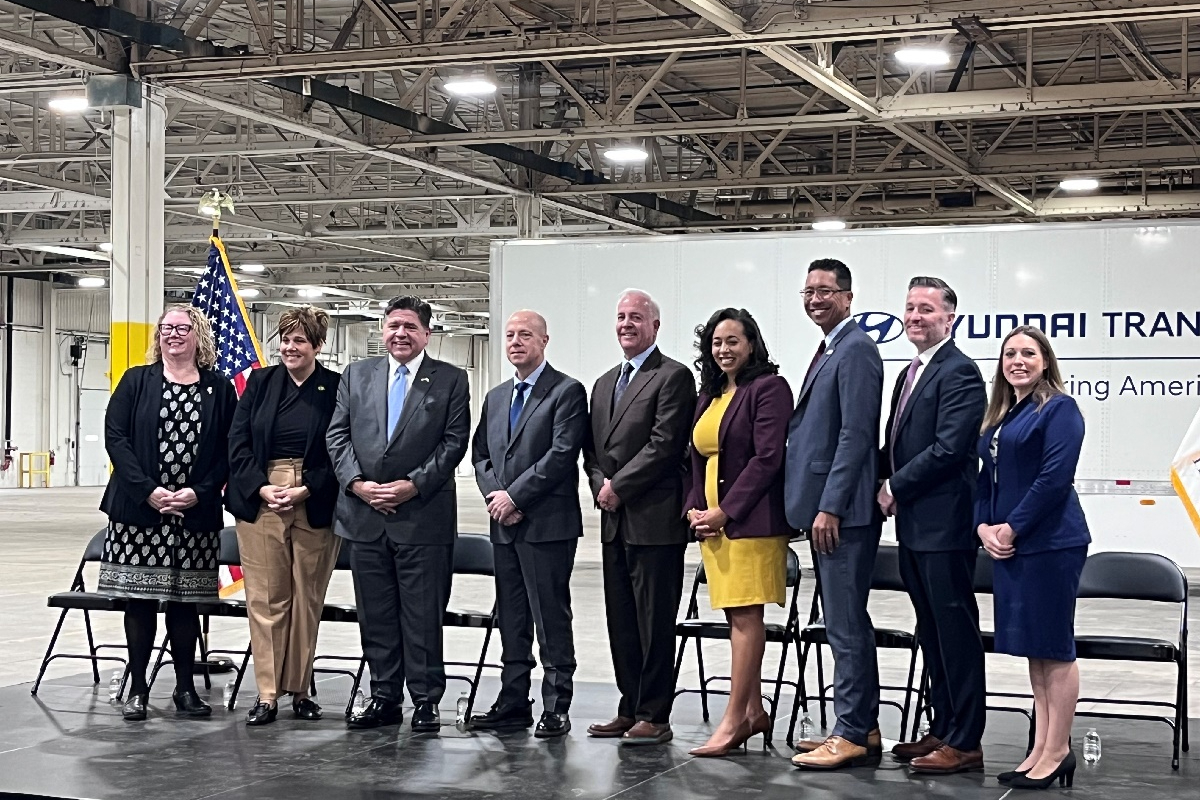 JOLIET - State Senator Rachel Ventura and Senate President Don Harmon were part of an announcement that Hyundai Translead is expanding its planned investment in Will County – creating a total of 3,750 new full-time jobs and investing $600 million. The State is also investing in a new Manufacturing Training Academy (MTA) at Joliet Junior College (JJC).
“Joliet is the heartbeat of industry in Will County and the state of Illinois, and this new Hyundai Translead facility will bring jobs and bolster economic growth in the 43rd District and surrounding communities,” said Ventura (D-Joliet). “This investment proves we are a premier manufacturing destination and demonstrates a commitment to fostering relationships that promote economic development in our communities.”
Read more: Ventura, Harmon tout expanded manufacturing investment in Will County
Castro announces $2.4 million available for tourism grant programs
- Details
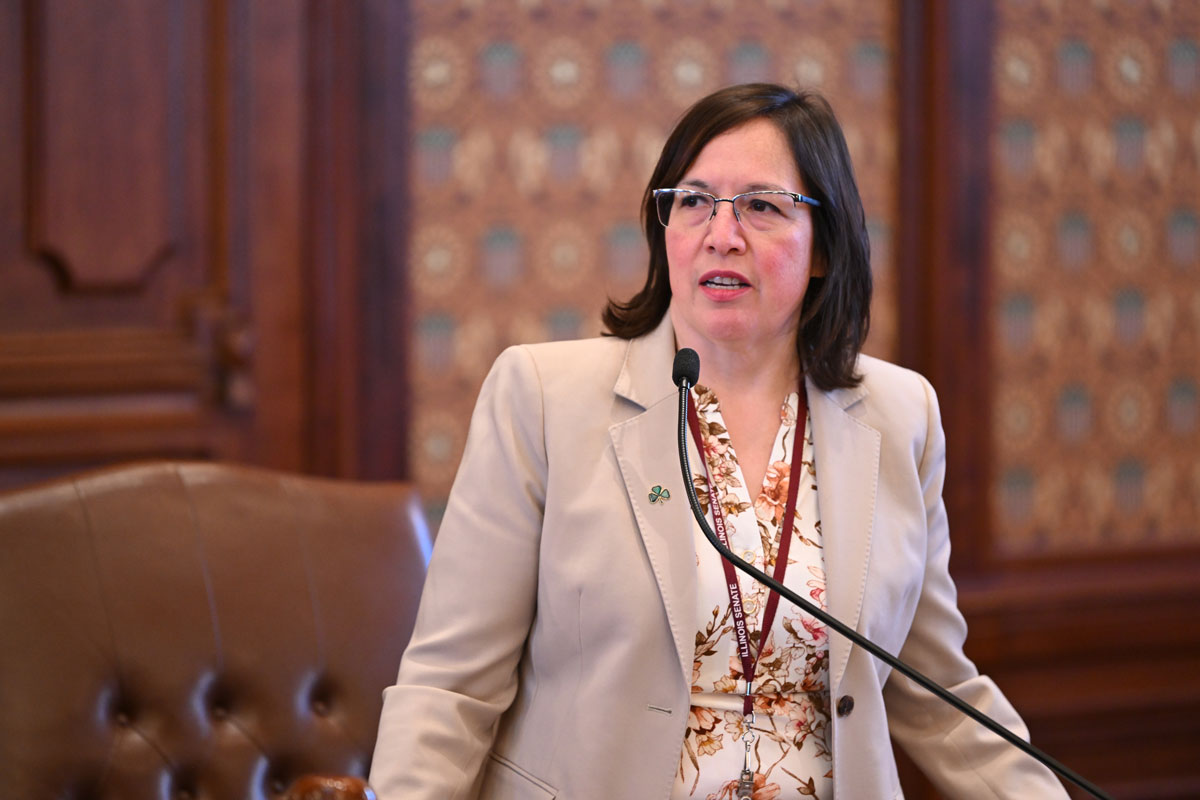 ELGIN – State Senator Cristina Castro is encouraging eligible organizations and businesses to apply for $2.4 million in state tourism grant funding announced by Governor JB Pritzker and the Illinois Department of Commerce and Economic Opportunity.
“The state’s $2.4 million investments in these tourism grant programs will build upon the success of our tourism industry while creating economic opportunities for Illinoisans,” said Castro (D-Elgin). “The Tourism Attraction and Tourism Private Sector grant programs are incredible opportunities for eligible entities to gain state support for their tourism endeavors across Illinois.”
Read more: Castro announces $2.4 million available for tourism grant programs
More Articles …
Page 1 of 840

Follow ILSenDems








Member News
-
Holmes’ new law gives family courts guidance to resolve pet custody when domestic partners split
 SPRINGFIELD – State Senator Linda Holmes remains steadfast in pursuing legislation to improve living conditions for animals, as her measure providing statutory guidance to Illinois courts when considering pet possession when unmarried couples break u...
 -
Porfirio resolution honors U.S. Marine Corps
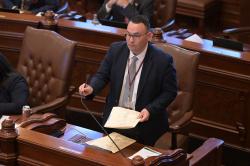 SPRINGFIELD – State Senator Mike Porfirio led a resolution to honor the U.S. Marine Corps through renaming a portion of Interstate Route 80. “Since its creation, the Marine Corps has played a key role in protecting and safeguarding the security and fr...
 -
Hastings: Freedom is never free
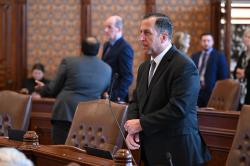 SPRINGFIELD — State Senator Michael E. Hastings supported a resolution to honor the United States Marine Corps through renaming a portion of Interstate Route 80. Hastings, who served as a U.S. Army officer during Operation Iraqi Freedom, rose in supp...
 -
Jones honors fallen state trooper with memorial highway
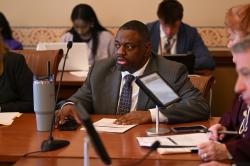 SPRINGFIELD – State Senator Emil Jones III successfully led a resolution to rename a portion of I-55 in honor of late State Trooper Clay M. Carns. “Trooper Carns died doing the same thing he had done every day for 11 years – diligently and faithfully...
 -
Johnson declares Menopause Awareness Week
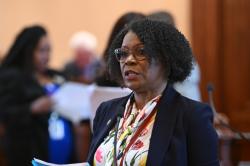 SPRINGFIELD – To bring awareness to a condition that will be faced by more than half of all Illinoisans, State Senator Adriane Johnson championed the effort to declare Oct. 11-17, 2026 Menopause Awareness Week. “Highlighting menopause is vital to gua...
 (217) 782-2728
 321 State House
Springfield, IL 62706



(312) 814-2075
160 N. LaSalle St., Ste. 720
Chicago, IL 60601