
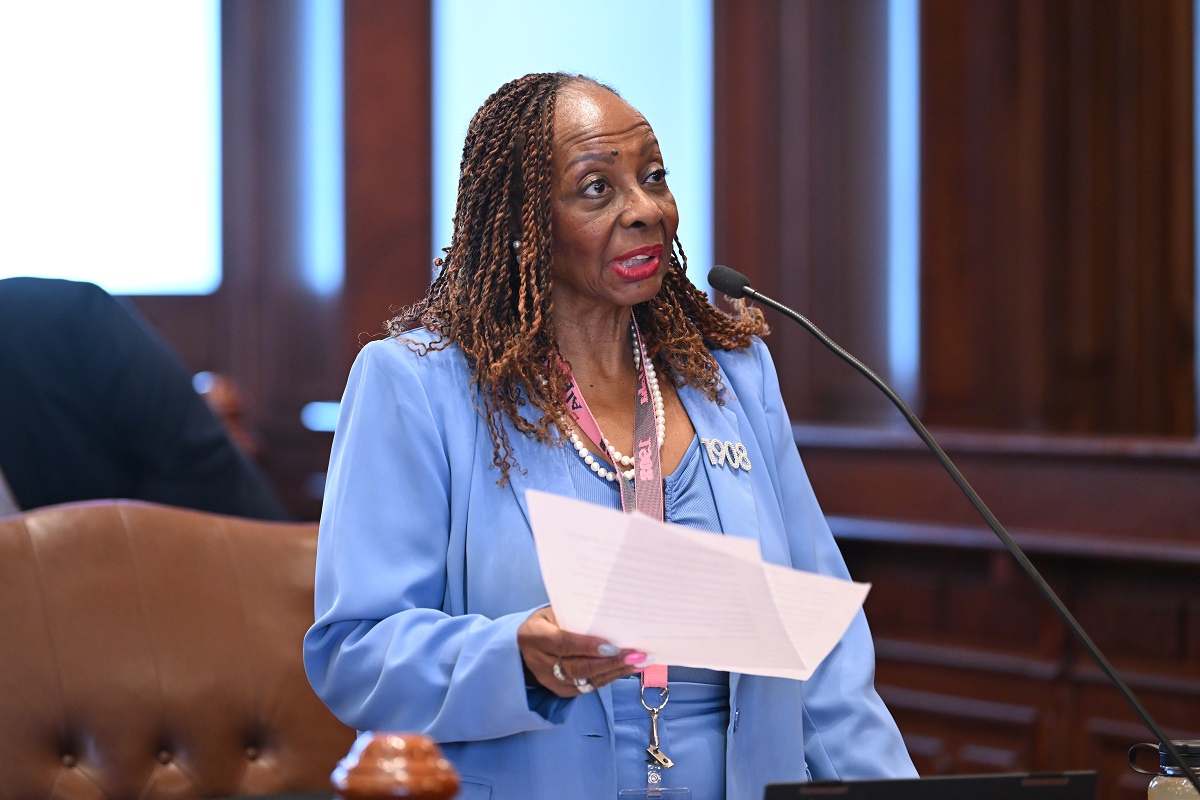
 SPRINGFIELD – State Senator Mattie Hunter is leading sweeping legislation that would reform exclusionary zoning laws and open new pathways for affordable, diverse housing across the state.
“Underserved communities across Illinois have been bearing the weight of the housing crisis for years," said Hunter (D-Chicago). “Senate Bill 640 gives us the tools to build more housing in more places – and to do it in a way that is fair, transparent and enforceable.”
The measure would require local governments across Illinois to allow middle housing – such as duplexes, triplexes, and similar multi-unit buildings – in single-family zoning districts, while giving municipalities the option to set their own design standards – or default to state standards – governing things like building height, setbacks and lot coverage.
All qualifying developments would be required to designate at least 40% of units as affordable for households earning between 80–120% of the area median income. The bill also would allow municipalities to establish Protected Small Rental Housing Areas, where new development cannot displace existing 2–4 unit rental properties unless demolition is municipality-initiated or safety-required, in which case any redevelopment must include at least as many units as were previously on the site.
Illinois, like much of the nation, faces a significant housing shortage driven in large part by decades of restrictive single-family zoning. By legalizing a wider range of housing types in established neighborhoods – near jobs, transit, schools and other services – Hunter’s measure would help lower housing costs, reduce displacement and create more equitable communities throughout the state.
“For far too long, outdated zoning laws have stood in the way of the housing our communities desperately need,” said Hunter. “This measure is about making sure that working families, seniors and people of all socioeconomic backgrounds can find a home in the neighborhoods where they work and raise their children.”
Senate Bill 640 passed the Senate Executive Committee Tuesday and heads to the full Senate for further consideration.