
Welcome to the Illinois Senate Democratic Caucus

Koehler, Turner highlight $1.8 million to strengthen Illinois’ local food systems
- Details
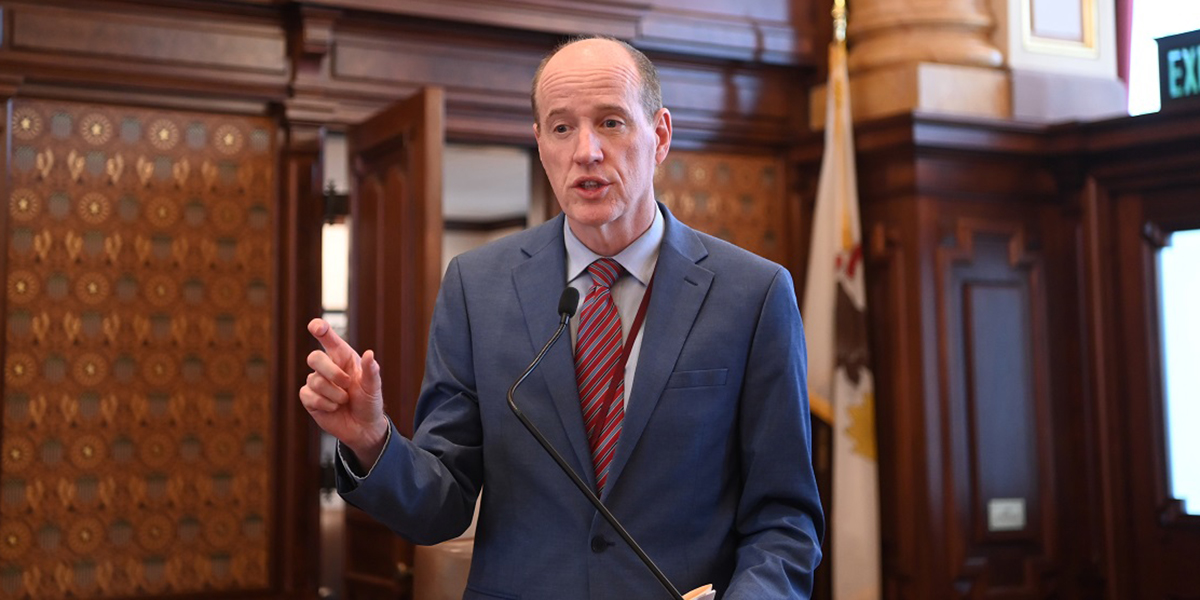
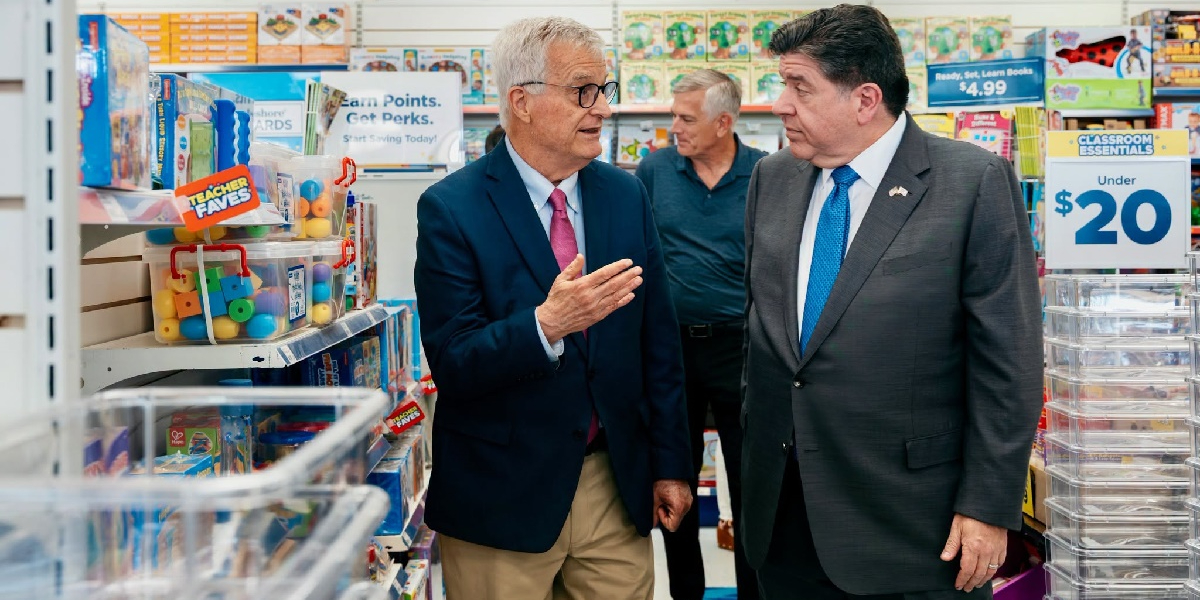
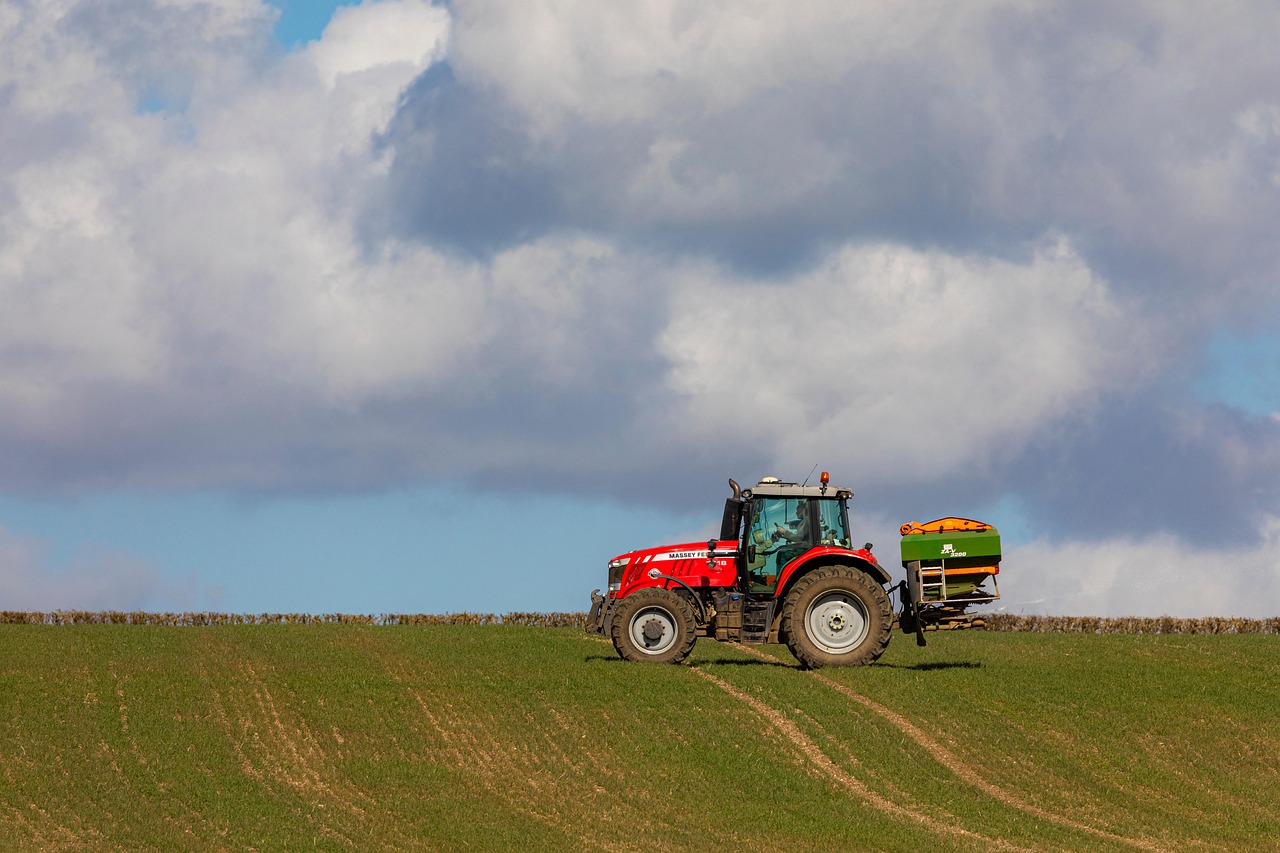 State Senators Doris Turner and Dave Koehler are encouraging local farmers, food processors and agricultural businesses to apply for a new round of funding through the Local Food Infrastructure Grant Program, which will provide $1.8 million to strengthen Illinois’ local food supply chain.
“Everyone needs access to whole, nutritious, locally-sourced foods,” said Turner (D-Springfield), chair of the Senate Agriculture Committee. “By fortifying the food system, we are supporting our local farmers and mitigating food insecurity. This funding will expand access to fresh, local foods, strengthen the local economy, and grow the food supply chain.”
Read more: Koehler, Turner highlight $1.8 million to strengthen Illinois’ local food systems
Senate Democrats applaud support limiting diesel fuel costs’ impact on Illinois farmers
- Details
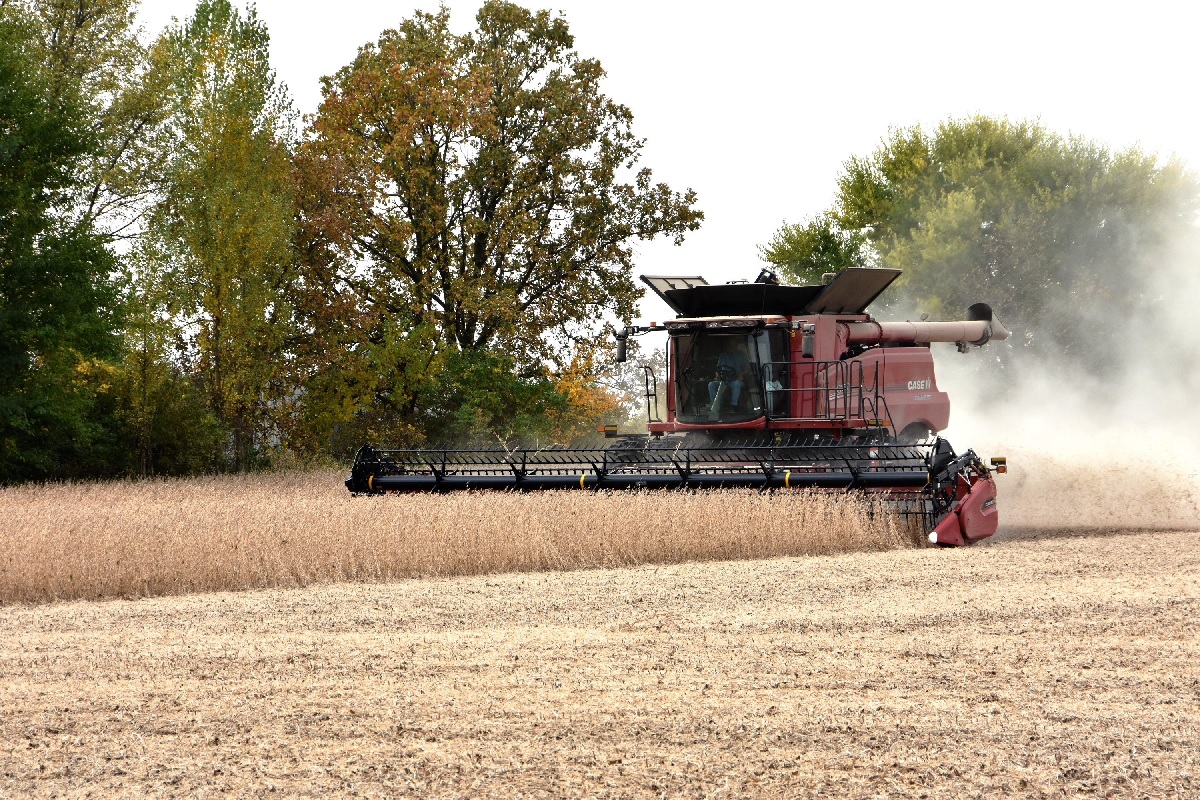 CHICAGO — Members of the Illinois Senate Democratic Caucus celebrated the announcement of relief for the agriculture industry to mitigate increasing diesel fuel costs.
The support allows Illinois farmers to use dyed diesel fuel when driving on roads, even though it is typically only used for agricultural purposes. Additional protections for farmers will also be considered as the fuel markets and agricultural economy face continued disruptions.
“Illinois farmers are already paying more to grow their crops, and now diesel is getting more expensive, too,” said State Senator Mike Halpin (D-Rock Island). “Nobody should pour their sweat into the land only to lose money on it. This diesel relief gives farmers a real chance to come out ahead, and that's exactly what they've earned.”
Read more: Senate Democrats applaud support limiting diesel fuel costs’ impact on Illinois farmers
Joyce celebrates grand opening of Voortman Steel USA Headquarters in Monee
- Details
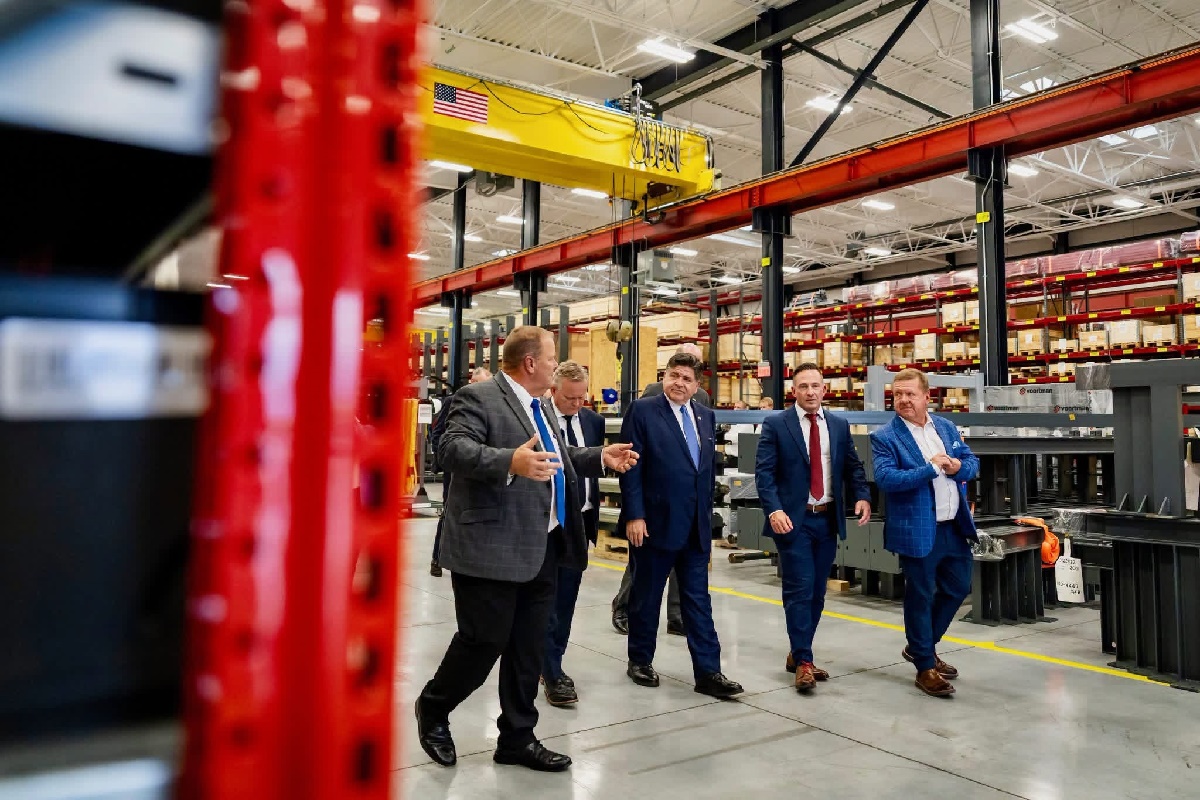 MONEE – State Senator Patrick Joyce joined Voortman Steel Machinery leadership, Governor Pritzker, the Illinois Department of Commerce and Economic Opportunity and local leaders to celebrate the grand opening of the company’s $51 million expansion project in Monee.
“I am glad to say that this state has fully backed what we are seeing today,” said Joyce (D-Essex). “This is our third major project in this manufacturing corridor. The Voortman Headquarters will be in this community for generations to come, and that’s something to be proud of.”
Read more: Joyce celebrates grand opening of Voortman Steel USA Headquarters in Monee
Harmon, Halpin support Joslin following Tyson Foods facility closure
- Details
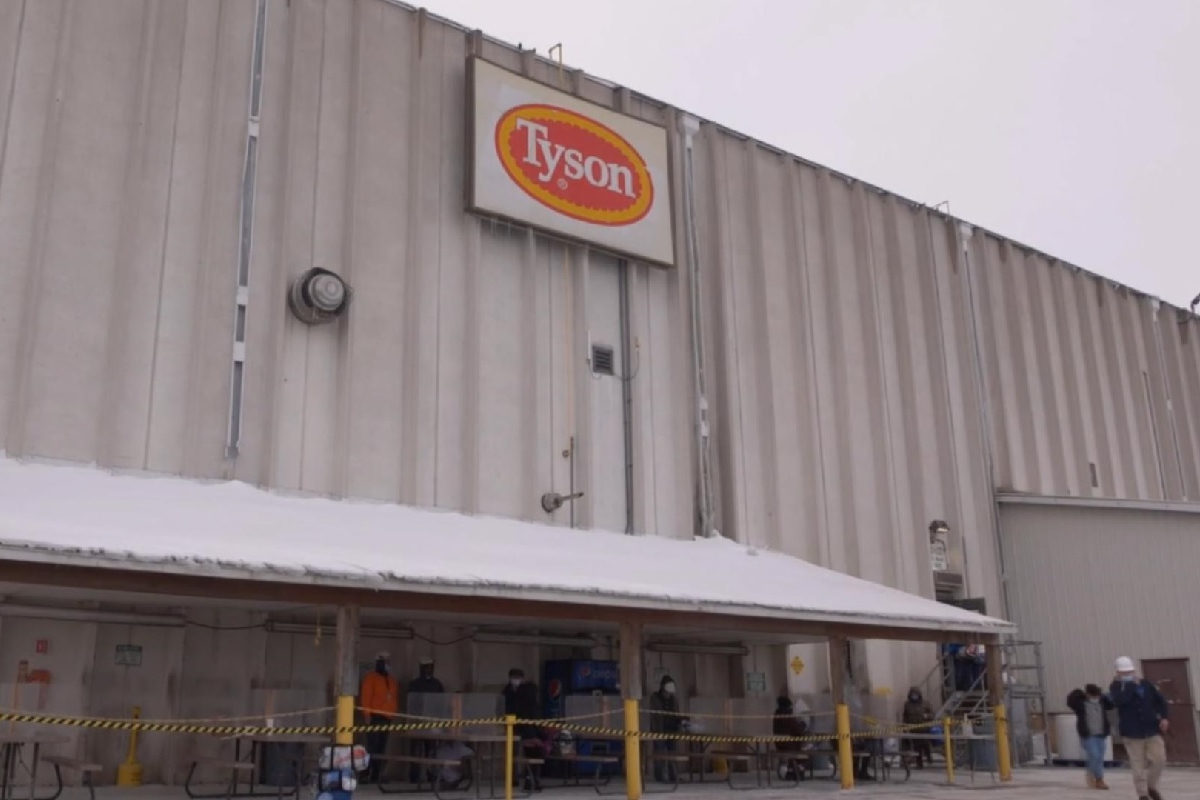 JOSLIN — State Senator Mike Halpin and Senate President Don Harmon have fought to support the Joslin community following the recent closing of Tyson Foods’ beef plant in the town.
“Illinois is home to a world-leading agriculture industry built on generations of hard work by farm families and the people who process, move and deliver what they produce,” said Harmon (D-Oak Park). “We know this is a challenging time for many of those families and workers. I appreciate Governor Pritzker moving quickly to put the state’s economic development resources to work and sending a clear message that Illinois is ready to compete for the businesses and quality jobs these communities deserve.”
Read more: Harmon, Halpin support Joslin following Tyson Foods facility closure
More Articles …
Page 1 of 839
Follow ILSenDems








Member News
-
Holmes’ new law gives family courts guidance to resolve pet custody when domestic partners split
 SPRINGFIELD – State Senator Linda Holmes remains steadfast in pursuing legislation to improve living conditions for animals, as her measure providing statutory guidance to Illinois courts when considering pet possession when unmarried couples break u...
 -
Porfirio resolution honors U.S. Marine Corps
 SPRINGFIELD – State Senator Mike Porfirio led a resolution to honor the U.S. Marine Corps through renaming a portion of Interstate Route 80. “Since its creation, the Marine Corps has played a key role in protecting and safeguarding the security and fr...
 -
Hastings: Freedom is never free
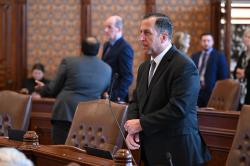 SPRINGFIELD — State Senator Michael E. Hastings supported a resolution to honor the United States Marine Corps through renaming a portion of Interstate Route 80. Hastings, who served as a U.S. Army officer during Operation Iraqi Freedom, rose in supp...
 -
Jones honors fallen state trooper with memorial highway
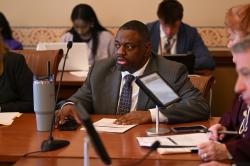 SPRINGFIELD – State Senator Emil Jones III successfully led a resolution to rename a portion of I-55 in honor of late State Trooper Clay M. Carns. “Trooper Carns died doing the same thing he had done every day for 11 years – diligently and faithfully...
 -
Johnson declares Menopause Awareness Week
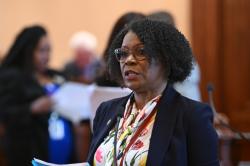 SPRINGFIELD – To bring awareness to a condition that will be faced by more than half of all Illinoisans, State Senator Adriane Johnson championed the effort to declare Oct. 11-17, 2026 Menopause Awareness Week. “Highlighting menopause is vital to gua...
 (217) 782-2728
 321 State House
Springfield, IL 62706



(312) 814-2075
160 N. LaSalle St., Ste. 720
Chicago, IL 60601