
Caucus News
- Details
- Category: Senator Robert Peters News
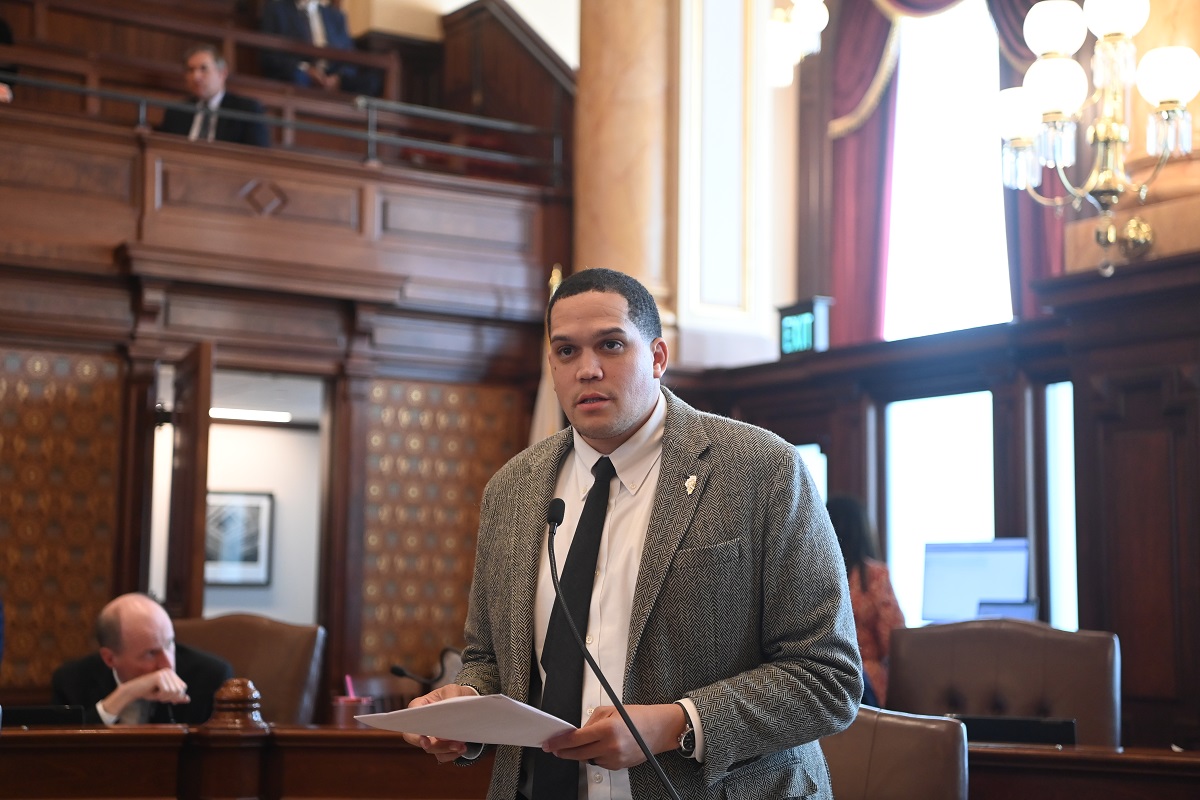
SPRINGFIELD — State Senator Robert Peters spearheaded a law that will allow for quicker and more accurate screenings of mental health crises during emergency calls, ensuring those in need receive dedicated trauma-informed care.
“By allowing specialized response teams to intervene in delicate situations, the state will be taking a more direct response to community safety,” said Peters (D-Chicago). “This is about reducing trauma during mental health crises and ensuring those in need are met with informed, empathetic care.”
Peters’ law will ensure Public Safety Answering Points are in compliance with the Community Emergency Services and Support Act – which connects 911 callers with behavioral health crisis care when appropriate. PSAPs are 24/7 call centers, often operated by local government or law enforcement, designed to receive 911 calls and route them to the appropriate emergency services – serving as a primary first-point-of-reception for emergency calls.
Read more: Peters law to bridge gap between mental health crisis and treatment
- Details
- Category: Senator Robert Peters News
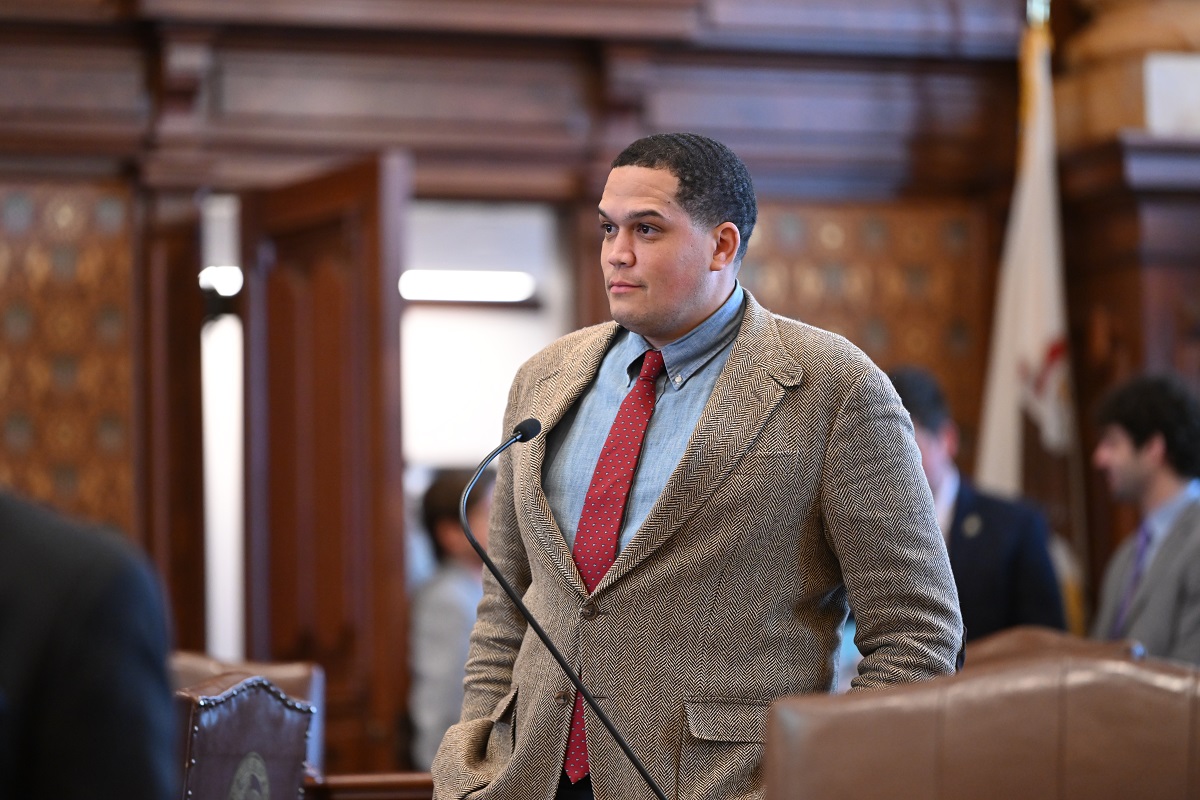 SPRINGFIELD — To address safety gaps and prioritize continuous protection for victims in Illinois’ justice system, State Senator Robert Peters led a law to secure petitioning eligibility for protective orders during criminal proceedings.
“All victims of violence deserve to feel protected in our state’s justice system, and they especially deserve to feel free from further harassment or abuse, which is exactly what this law ensures,” said Peters (D-Chicago). “It is incredibly rare for victims to seek justice through legal avenues, so we must make sure that when victims come forward, we’re prioritizing their dignity and safety.”
Read more: Peters’ new law supports victims’ access to justice
- Details
- Category: Senator Robert Peters News
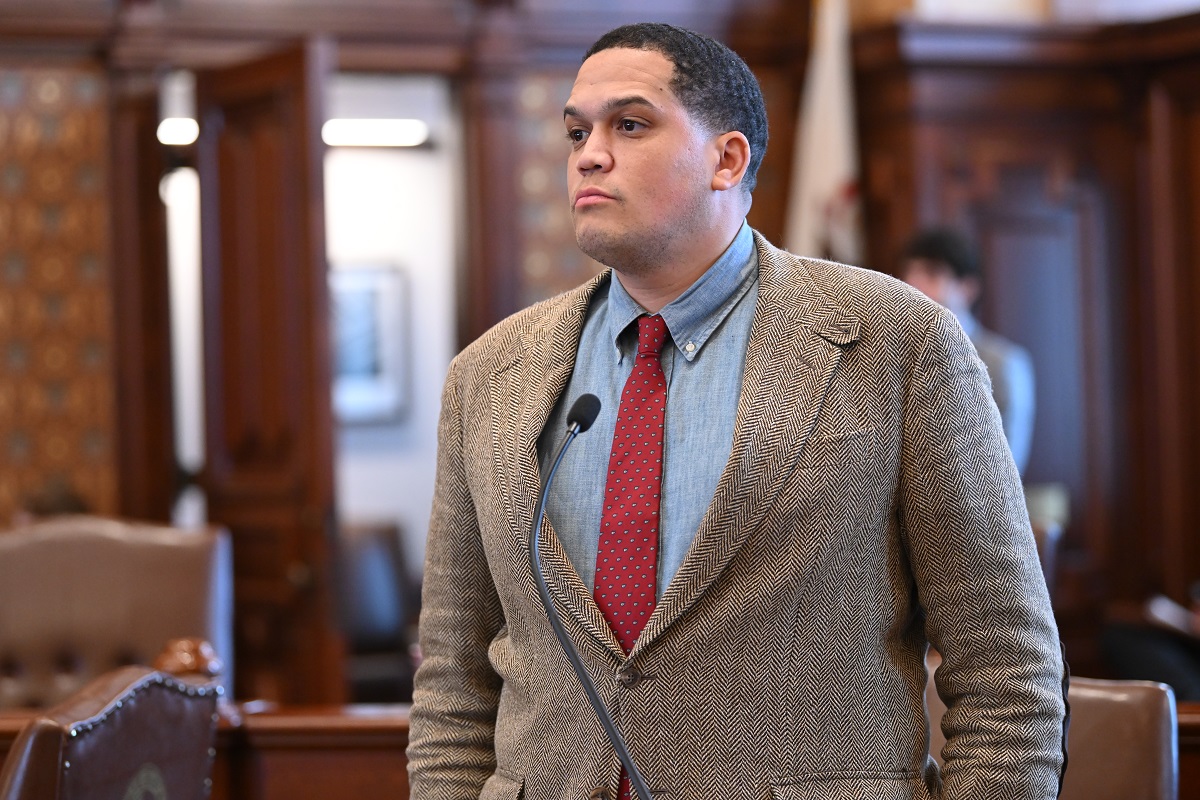 SPRINGFIELD — To fulfill Rev. Jesse Jackson Sr.’s vision of ensuring every high school student graduates with both a diploma and voter registration card, State Senator Robert Peters championed a law that recognizes education and civic engagement go hand in hand.
“I worked with a coalition of civic advocates throughout this process who all had one goal: honor the legacy of civil rights pioneer Rev. Jesse Jackson Sr., who acted as a towering and unwavering figure of racial and political equity for decades,” said Peters (D-Chicago). “This law does exactly that by ensuring our state’s youth are presented a meaningful opportunity to register to vote before they graduate, in turn keeping Illinois on a path of progress and justice.”
Studies show that people who vote earlier in life are more likely to remain active voters and participants in their communities for decades to come, yet high school students are not automatically provided the resources needed to register once they age into the electorate.
- Details
- Category: Senator Robert Peters News
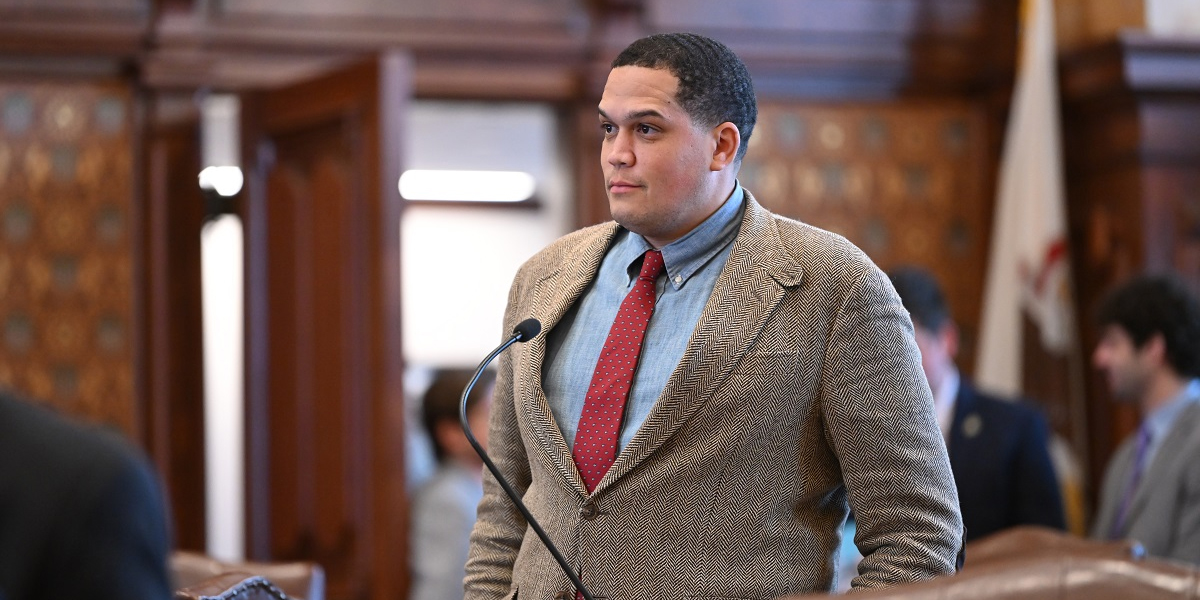
SPRINGFIELD — State Senator Robert Peters – in collaboration with a coalition of civic advocates – is honoring the legacy of civil rights leaders like Rev. Jesse Jackson Sr., who believed the ballot is the most powerful tool for change. To fulfill Jackson’s vision of ensuring every student graduates with both a diploma and voter registration card, Peters advanced a measure that would recognize education and civic engagement go hand in hand.
“This measure honors the life and legacy of civil rights pioneer Rev. Jesse Jackson and his vision of ensuring youth participation in our nation’s democracy,” said Peters (D-Chicago). “Illinois has been a leader for progress, and connecting voter registration directly with high school graduation will keep us on our path of removing barriers and implementing equity for all.”
Peters measure to honor legacy of Rev. Jesse Jackson Sr., empower young voices in democratic process
- Details
- Category: Senator Robert Peters News
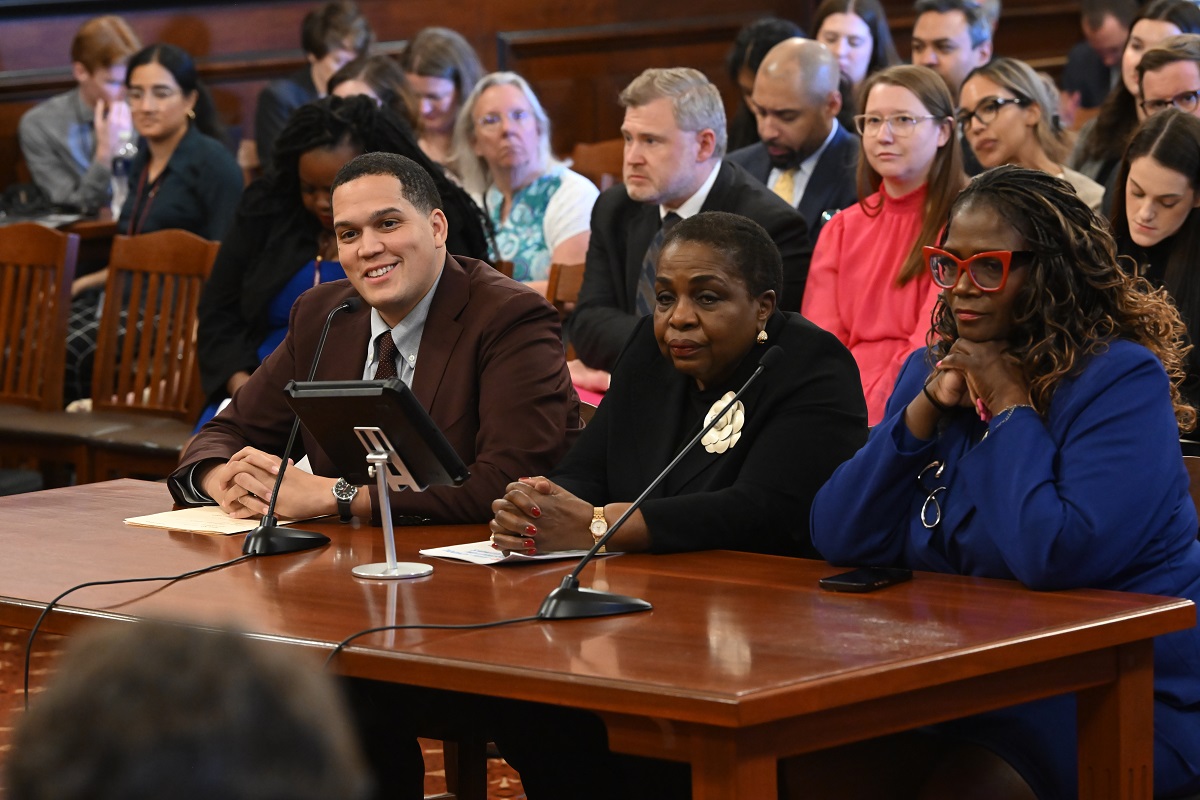
SPRINGFIELD — State Senator Robert Peters – in collaboration with the Rainbow PUSH Coalition – is honoring the legacy of civil rights leaders like Rev. Jesse Jackson Sr., who believed the ballot is the most powerful tool for change. To fulfill Jackson’s vision of ensuring every student graduates with both a diploma and voter registration card, Peters is spearheading a measure that would recognize education and civic engagement go hand in hand.
“Voting is a cornerstone of our democracy, but too often, young people leave high school without ever being invited or encouraged to participate in that process,” said Peters (D-Chicago). “By connecting voter registration directly to graduation, we would be removing barriers and setting the expectation that every young person has both the right and responsibility to have a voice in their future.”
- Details
- Category: Senator Robert Peters News
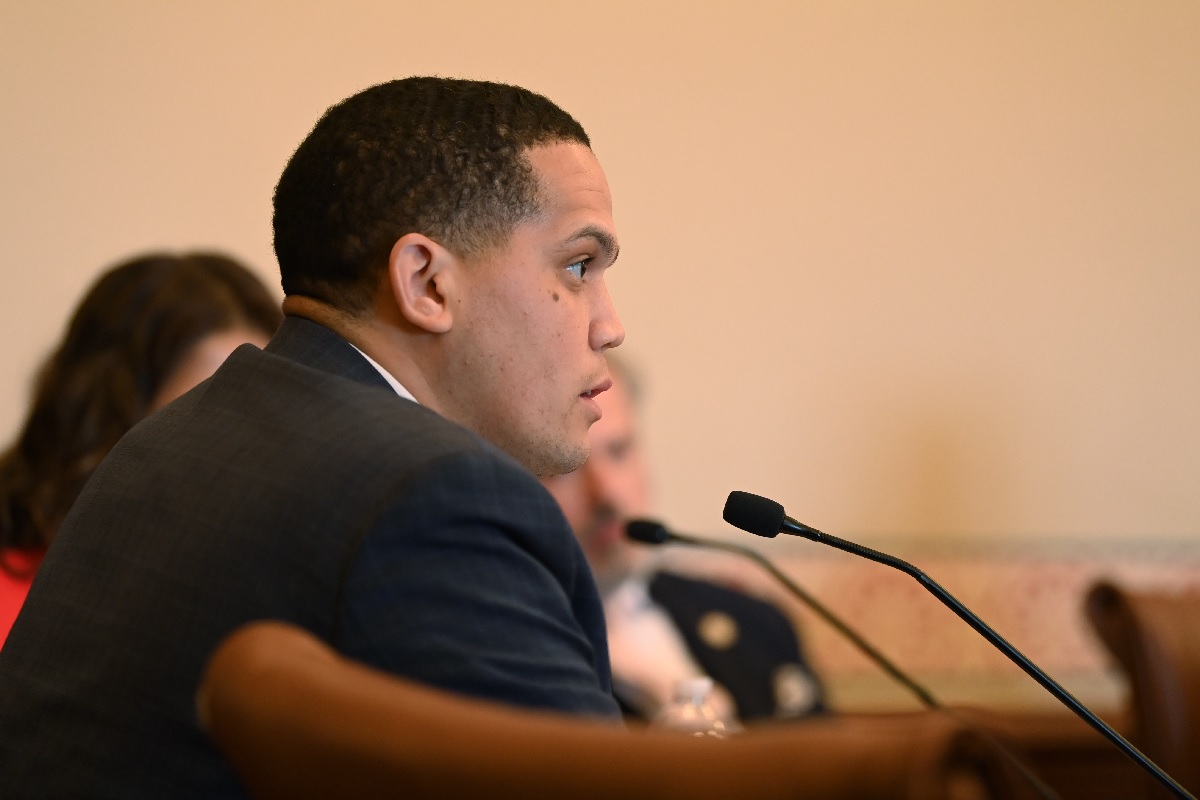 SPRINGFIELD — State Senator Robert Peters outlined a plan he’s spearheading that would ban companies from collecting personal data from Illinois consumers for the purpose of price discrimination during a subject matter hearing Wednesday.
“The Surveillance-Based Price Discrimination Act is commonsense legislation that would protect all of our state’s consumers from price gouging and data privacy threats,” said Peters (D-Chicago). “Our residents have already endured years of inflation, and now we are facing an affordability crisis while some of the biggest corporations rake in record profits. We cannot sit back and watch the unjust targeting of the finances, privacy and equality of Illinoisans.”
Read more: Peters presents plans to protect Illinois consumers from surveillance-based pricing
- Details
- Category: Senator Robert Peters News
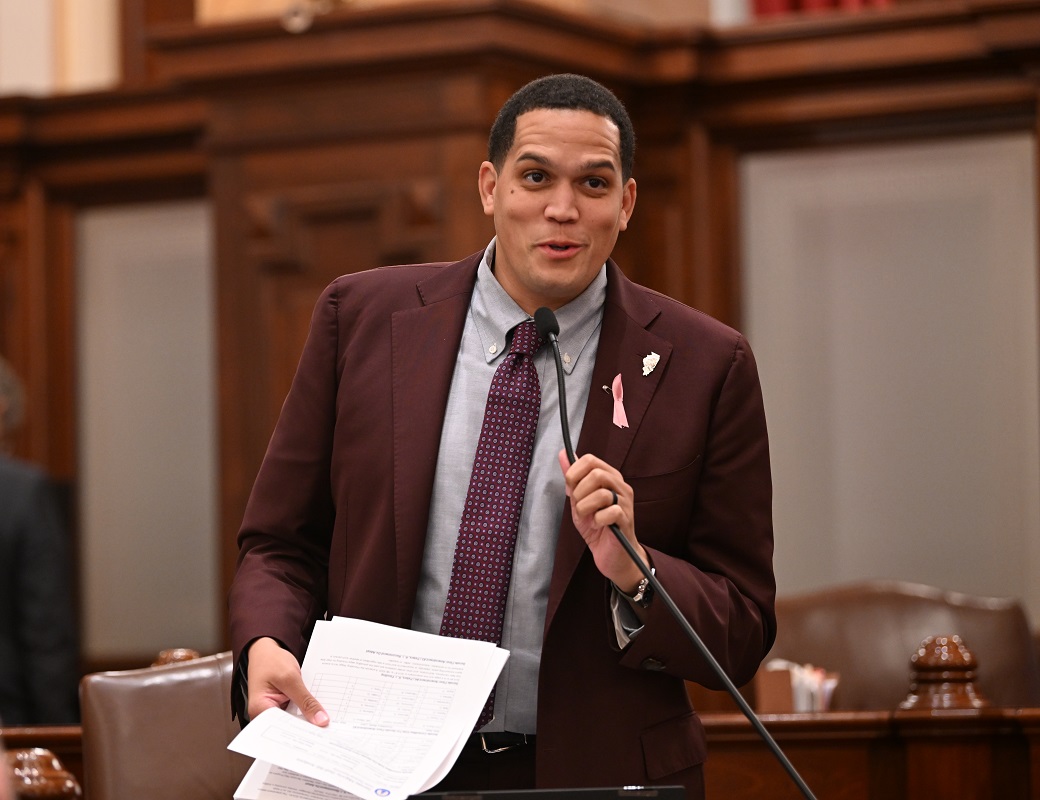 SPRINGFIELD — A new law from State Senator Robert Peters will raise the minimum age at which minors can be detained and limit detention in certain situations where the minor is not charged with a violent crime, making it clear the state is prioritizing rehabilitation and addressing the root causes of delinquent behavior.
“We must work together to tackle the underlying issues that are exacerbating delinquency in our neighborhoods – whether those are social, economic, familial or a mix of all,” said Peters (D-Chicago). “We have an obligation to protect the well-being of all individuals, and we do that by breaking the cycles of violence and trauma that are causing young people to engage in any level of criminal activity.”
Peters’ law makes numerous improvements to Illinois’ juvenile justice system. First, it raises the age at which a minor may be detained from 10 years old to 12 years old in 2026 and then to 13 years old – in some situations – in 2027. Under the law, arrest will be used only as a last resort and under strict conditions, and minors will be detained only if there is probable cause to believe they are delinquent and that immediate and urgent detention is necessary, or if they have repeatedly failed to appear at scheduled hearings.
Read more: Peters spearheads law to raise Illinois’ juvenile detention age
- Details
- Category: Senator Robert Peters News
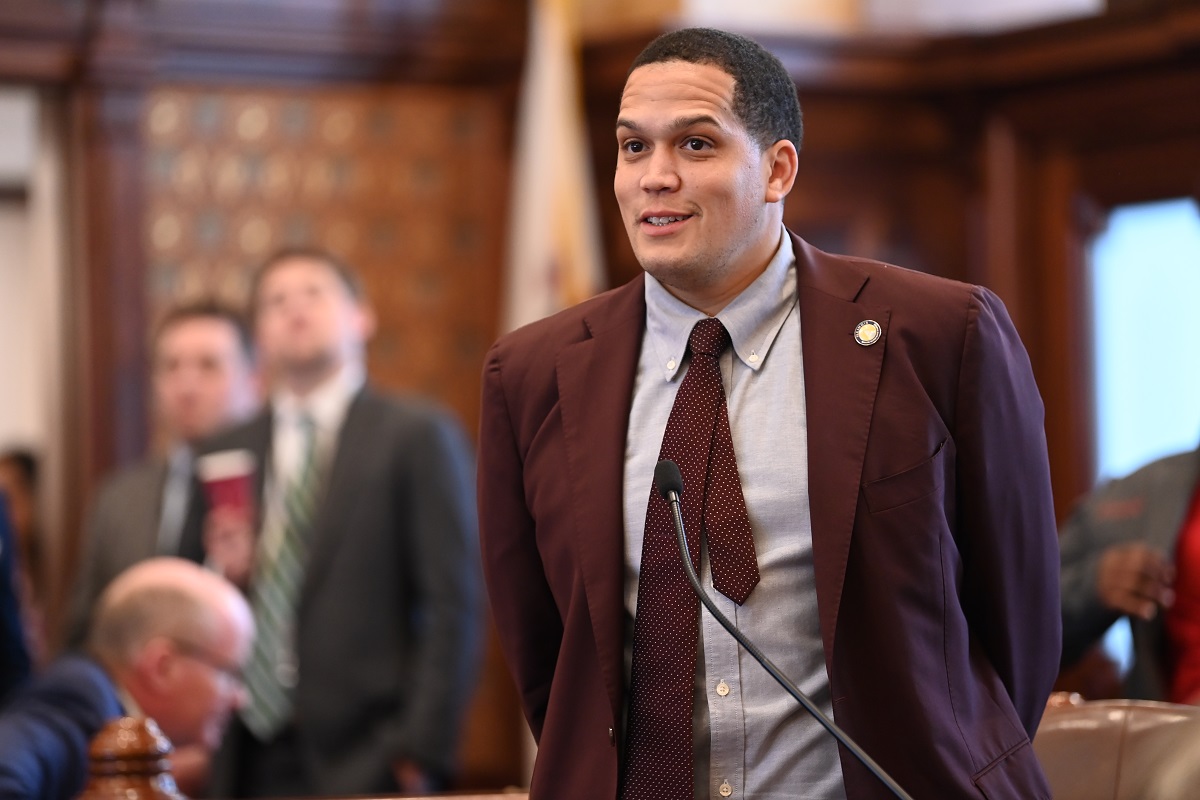 SPRINGFIELD — An initiative from State Senator Robert Peters aims to raise the minimum age at which minors can be detained and limit the use of detention in certain situations where the minor is not charged with a violent crime, making it clear the state is moving away from harsh detention practices and prioritizing rehabilitation.
“Our juvenile justice system should focus on rehabilitation over punishment,” said Peters (D-Chicago). “By raising the age at which a minor can be detained and emphasizing alternative methods, we’re giving young people a fair chance at reformation without subjecting them to the damaging effects of detention at an early age.”
Peters’ measure makes numerous improvements to Illinois’ juvenile justice system. First, the bill raises the age at which a minor may be detained from 10 years old to 12 years old in 2026 and then to 13 years old – in some situations – in 2027. Through the measure, arrest would only be used as a last resort and under strict conditions, and minors can only be detained if there is probable cause to believe they are delinquent and that immediate and urgent detention is necessary, or if they have repeatedly failed to appear at scheduled hearings.
Read more: Peters’ measure to raise juvenile detention age, focus on rehabilitation
More Articles …
Page 1 of 23

Follow ILSenDems









 (217) 782-2728
 321 State House
Springfield, IL 62706




(312) 814-2075
160 N. LaSalle St., Ste. 720
Chicago, IL 60601